ON THE FIELD / 02
Clear Goals. Committed Practice.
Football skills work together. A controlled first touch gives you time to see a pass. A well-timed supporting run makes that pass possible. Organized defending helps the team recover possession, while composed finishing gives an attack a clear purpose. The topics below introduce those connections in plain language. Treat them as ideas to explore with an appropriate coach and within the conditions of your own session. Begin at a manageable pace, understand the objective, and let the level of pressure grow only as the activity allows. Learning feels more meaningful when you can explain not just what you tried, but why the action helped the team in that moment.
01
First Touch
Your first touch should help you do something useful next. Before the pass arrives, consider whether you have space to turn or need to keep the ball close. Adjust your feet to the ball’s path, stay balanced, and receive with a surface that suits the situation. In a partner exercise, vary the angle of the pass so you learn to adapt rather than repeat one movement automatically. Notice whether the ball finishes within comfortable playing distance. If it runs too far away, reduce the force of your touch and try again. When the touch is controlled, look up and continue the action. The skill becomes valuable when it supports a clear decision under realistic pressure. As the ball travels, keep your attention on the pass while remaining ready for your next choice. If you lose balance, simplify the activity and ask what adjustment would help. There is value in getting a clear movement right before trying to perform it faster.
02
Passing and Support
A pass connects two players, but the team’s movement shapes the options around it. Offer an angle where the player with the ball can see you, and consider how your position affects the next pass too. Standing still behind a defender makes the task harder for everyone. A small adjustment can open a lane without requiring a long run. After releasing the ball, move again so your involvement continues. In a practice game, watch a successful sequence and identify the supporting action between passes. It may be less obvious than the touch itself, yet it often makes the move possible. Clear support helps a team keep possession with patience and attack with a shared sense of direction. The passer and receiver can both help explain a difficult exchange. One may have expected a run into space while the other offered a short option. Comparing those intentions gives the pair something specific to practice and keeps the conversation focused on cooperation.
03
Defensive Shape
Defensive shape helps players protect important space together. Watch the ball while staying aware of the opponent and teammate nearest you. If one player steps forward to challenge, another may need to provide cover behind her. The exact responsibilities depend on the team’s instructions and the situation, so listen carefully and communicate when positions change. You can compete strongly without rushing into every challenge. Sometimes staying balanced and delaying an opponent gives the team time to recover. After the play ends, ask whether the players stayed connected and which space became difficult to protect. A clear review turns defensive work into a shared football problem rather than a search for someone to blame. Notice what happens when the ball moves across the field. Players may need to adjust together so the distance between them remains useful. Moving as a connected group asks for attention and communication, especially when the next threat develops away from the ball.
04
Fair Play
Fair play is an active part of competitive football. Try to win possession with a controlled challenge, follow the rules of the exercise, and respond to the official’s decisions with composure. A disputed moment can be frustrating, but your next action still matters. Return your attention to the game and support the players around you. In training, agree on the rules before play begins so everyone understands the challenge. When you make a mistake, acknowledge it and reset. When an opponent plays well, recognize the quality of the action. Respect helps keep competition purposeful and gives players room to test their skills without turning the contest into a personal argument.
05
Finishing
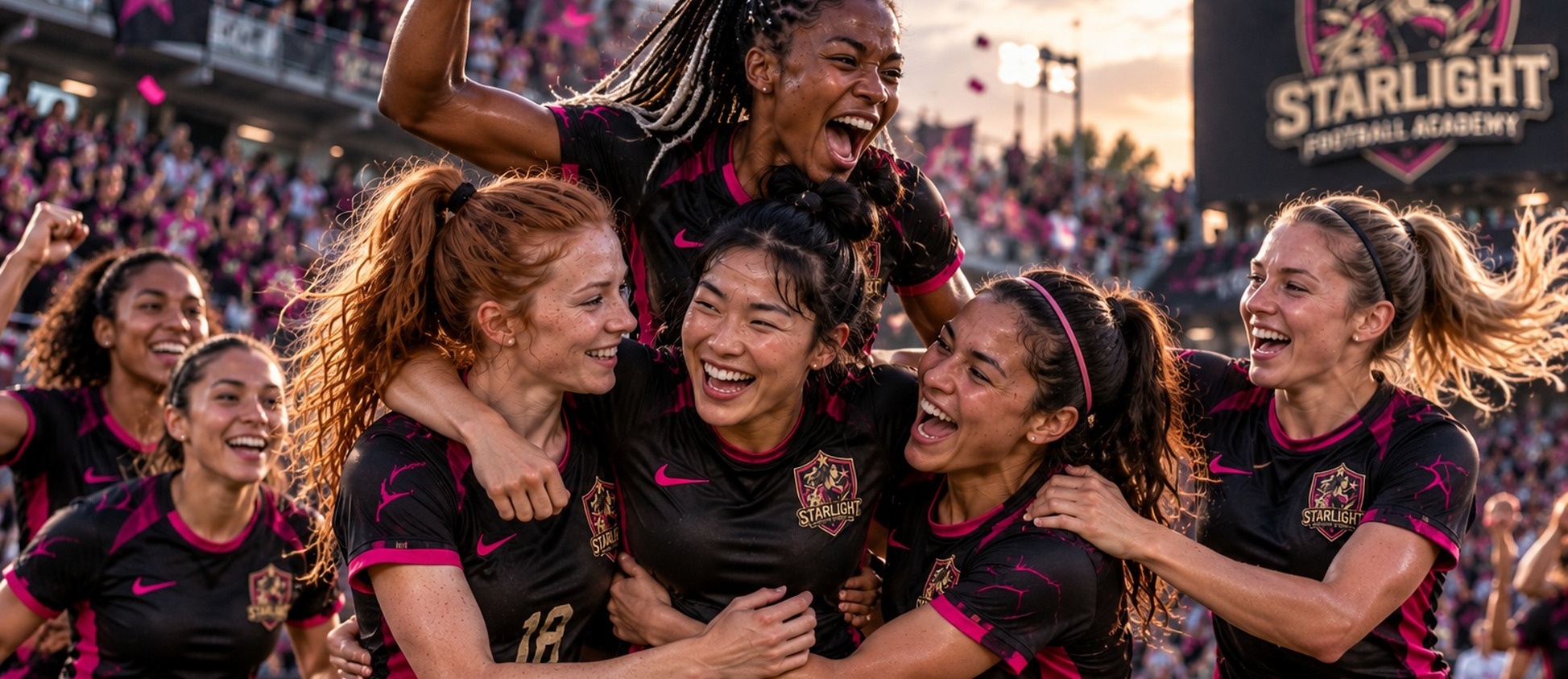
Finishing begins with seeing the opportunity. As the ball arrives, notice the goalkeeper, the defender, and the teammate who may have a clearer chance. Stay balanced enough to choose an action rather than striking simply because you are close to goal. In a suitable practice exercise, compare the effect of your approach angle, first touch, and contact with the ball. A missed attempt can tell you something useful about preparation. Repeating the same shot without reflection may tell you less. Celebrate a well-created chance as well as a good finish, because the movement and passing before the shot belong to the team. Composure is the habit of making a decision you understand, even when the moment feels exciting. Ask which earlier action gave the player time to finish. A pass delivered at a useful pace or a run that pulled a defender away may be essential to the chance. Recognizing that contribution makes the celebration more meaningful for the whole team.