
From First Touch to Team Play: A Player Development Guide
A player waits for a pass while an opponent closes from her right. She could stop the ball in front of her, but that would leave her facing the same pressure. Instead, imagine that she has already checked over her shoulder and noticed a teammate on the left. Her first touch guides the ball across her body, and a simple pass keeps the move alive. This is an illustrative football situation, not an account of an academy match. It shows why technique and awareness belong together. The useful action is not necessarily the most difficult skill. It is the action that fits the information available. At STARLIGHT FOOTBALL ACADEMY, the football ideas on these pages return to that relationship: prepare your body, notice your options, and contribute to the team’s next decision. A player can begin exploring it at a comfortable pace with a partner, then apply the same question in a more demanding exercise. Where is the pressure, and what does the team need next? The answer will change from one moment to another. Learning to recognize that change gives practice a purpose beyond completing a set number of passes. It also helps you understand why a touch that worked once might need to be different the next time. Consider how the same idea changes when the passer is under pressure too. She may be unable to deliver the ball exactly where you expected it. Stay ready to adjust and give her a target she can actually see. A supportive receiver helps the pass succeed by moving into a reachable position and staying engaged as the ball travels. If the ball arrives differently, solve the situation that exists rather than the one you planned. This is why a team’s first-touch work can include conversation about the pass itself. Both players influence the action. One prepares the delivery, the other prepares to receive, and each learns from the information the exchange provides. When you review the sequence, give credit to that shared preparation. A calm adjustment may look ordinary from the sideline while making a real difference to possession. Recognizing those moments helps players value intelligent football as well as obvious speed or strength.
Start by looking before the ball arrives. A short glance can reveal an opponent’s approach, a teammate moving into space, or a passing lane that is about to close. Try to connect each observation to a decision. If there is room behind you, opening your body may help you turn. If pressure is immediate, keeping the ball protected and using a supporting pass may serve the team better. There is no need to treat every backward pass as a missed opportunity. Retaining possession can give the group time to create a clearer route forward. In practice, ask a partner to approach from different angles while keeping the exercise controlled and appropriate to the instructions. Compare how the change affects your first touch. Describe what you saw and which option became easier. This turns the activity into a football conversation rather than a test of memory. When you understand why you chose an action, feedback becomes more useful. You can adjust one part of the decision instead of trying to correct everything at once. Scanning should stay connected to the ball too: look for information, return your attention to the pass, and receive with balance. The aim is useful awareness, not looking around without a purpose. It can help to separate seeing from guessing. A glance that shows a defender moving toward you is information; assuming she will always approach from the same side is a prediction. Use what you can observe and remain ready to update your choice. In a suitable exercise, ask the supporting player to change position between repetitions. You will need to find her again instead of sending the ball to the place she occupied last time. Notice how this changes the timing of your look. Too early, and the picture may have changed by the time you receive. Too late, and your attention may leave the ball during the touch. Explore the timing patiently within the coach’s activity. The goal is to develop a habit that serves the game, not complete a gesture simply because you were told to scan. Ask what your look revealed and how it influenced the next action.
Prepare early, make the next action clear, and give your teammate a useful option. A simple decision can carry a great deal of teamwork when every player stays involved.
Your body position helps turn information into action. Before receiving, move your feet so you are ready to adjust to the path of the pass. Avoid deciding too early that every ball should be controlled in exactly the same way. A pass across your body, a firm ball into your feet, and a slower ball arriving at an angle each ask a different question. Keep your balance and choose a receiving surface that helps guide the ball toward a useful next action. In a partner exercise, start with a distance and pace that let both players stay comfortable. Change one detail at a time: the angle, the strength of the pass, or the direction of your next touch. Notice whether you can continue the movement without chasing the ball. If a touch runs away, pause long enough to identify what happened. Did the surface feel too firm? Were your feet still moving into place? Was your attention on the defender before you had judged the ball? Those observations are more helpful than labeling yourself good or bad at control. As the activity develops, connect the touch to a pass or a turn so the purpose remains clear. Practice is most engaging when a technique helps solve a situation you recognize from the game. Keep encouraging your partner and give feedback that describes the action rather than judging the person. Receiving on the move adds another useful question: can you match your movement to the pass without losing balance? Imagine moving toward a ball played into space. If your stride is too long as it arrives, the touch may become harder to control. Adjust your approach with smaller steps and notice whether that makes your next action easier. The exact technique depends on the exercise, so ask for a demonstration if you need one. Compare a touch that keeps you moving with one that deliberately slows the play. Both can be useful in different situations. A teammate arriving nearby may make a quick pass possible, while an isolated position may call for protection and patience. Learning the difference helps control become adaptable rather than rigid. You are preparing to respond to changing conditions, which is what gives a simple receiving exercise its connection to a real game. You can explore the receiving decision through a simple comparison agreed with the coach leading your activity. Begin with a pass into a comfortable area and identify an imaginary route forward. Receive toward that route, then consider how the action changes if pressure closes it. You may need to protect the ball or find a supporting player instead. The useful part of the comparison is the reason for the change. Rather than treating the second attempt as a correction of the first, recognize that the situation asks a different question. This can help players become more adaptable. Talk about the cue that made the choice clear: a defender’s position, the passer’s angle, or a teammate becoming available. Keep the exercise within the instructions provided and avoid adding complexity simply to make it look harder. A controlled activity can reveal a great deal when players pay attention to the right detail. Finish by explaining the decision in your own words. If you can describe what changed and why your touch changed with it, the practice has given you something practical to recognize in a game.
Turn Tactical Awareness into Supporting Runs
Once the ball has moved, your role continues. Passing and then standing still can leave a teammate with fewer options than she had a moment earlier. Look at the pressure around her and choose a supporting position. You may need to move wider to reveal a lane, drop behind the ball to offer a reset, or make a forward run that creates space for someone else. The useful movement depends on the whole picture. Imagine a small practice game where a teammate receives with her back to an opponent. If you run straight toward her, you may bring another defender into the same area. Moving to a clear angle may help her return the ball or turn into space. Discuss the difference after the sequence ends. A short explanation can help both players understand the intention behind the run. Communication should arrive early enough to matter and remain simple enough to use at game speed. A teammate’s name or a clear directional cue may be more helpful than several instructions shouted at once. Listen as carefully as you speak, especially when the view from another position reveals something you cannot see. If the pass is not available, keep supporting the team rather than treating the movement as wasted effort. A run can be useful because it moves a defender or creates time for another player. Shared understanding helps players appreciate those contributions. It also makes the next repetition feel purposeful, because the team is working on a common question instead of collecting individual touches. Supporting players also need patience. You may offer a good option and still not receive the pass because the player on the ball sees another route. Keep your attention on what the team needs next. If the attack moves to the opposite side, adjust your position instead of staying fixed in the space where you first asked for the ball. The whole team’s movement creates the next picture. A useful review can follow one player for a short sequence and notice her contribution between touches. Where did she move after passing? Did she stay available when the route forward closed? Did her positioning give the group room to change direction? These questions make involvement visible without counting only passes or shots. They also help players understand that reliable support includes adapting to someone else’s decision. Team play becomes more enjoyable when every player can recognize a useful role in the unfolding move. Another useful example is a change of direction across the field. Imagine the team moving the ball toward one sideline and finding the route crowded. A supporting player behind the ball may offer the chance to begin again on the other side. That option works only if the group stays connected. The receiver needs to see the pass, the passer needs a clear angle, and players farther away need to remain involved. Watch how much of the action happens before the ball reaches them. A small adjustment in position can make the switch possible, while a late response can leave the next player isolated. Discuss the sequence as a group task. Which movement created time? Which player helped protect possession? Where did communication make a difference? These questions recognize football intelligence without reducing the move to a single impressive pass. They also show why support can be useful behind the ball as well as ahead of it. Patience has an attacking purpose when it helps the team create a clearer opportunity. The aim is to move the opposition through connected decisions and use the space that becomes available.

Carry Your Training into the Final Third
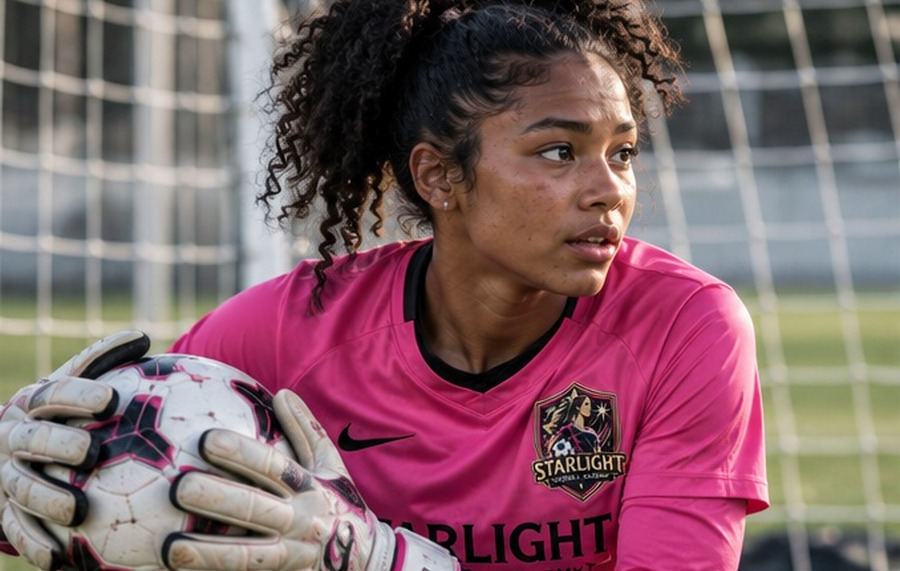
As an attack approaches goal, the decisions can become faster and the temptation to rush can grow. Carry the same habits into the final third: look early, stay balanced, and consider the teammate as well as the target. The photograph of a goalmouth action illustrates the kind of crowded situation where preparation matters. It does not establish a match result. In an example training sequence, a wide player might receive near the edge of the area with a defender recovering. A first touch toward space could create time for a pass across goal; a touch toward the defender might close that route. The player arriving centrally also has a role. Her movement needs to offer a clear target without blocking another runner. When the chance ends, review the attack from more than one position. Ask how the pass, run, and finish connected. A goal is a rewarding outcome, but a missed chance can still contain a well-timed movement worth repeating. Equally, a successful shot does not mean every earlier decision was clear. Honest reflection lets the team recognize quality without depending entirely on the final result. Keep challenges controlled, respect the goalkeeper’s space and the rules of the exercise, and respond calmly when the ball goes out of play. Composure means retaining a purpose for the next action even when the moment feels important. A final-third exercise can also reveal the value of restraint. Suppose an attacker receives with two opponents between her and the goal. Forcing a shot might end the move before support arrives. A pass back or sideways could create a different angle and bring another player into the attack. This does not mean avoiding responsibility. It means taking responsibility for the quality of the decision. Encourage players to explain the option they saw and remain open to alternatives. When a clear chance does arrive, commitment matters too: hesitation can allow the defender to recover. Practice helps a player connect patience with the moment to act. Respectful feedback should recognize the situation rather than apply the same instruction to every attempt. A well-earned finish can then be celebrated as the result of connected choices, while a missed opportunity becomes useful information for the next repetition.
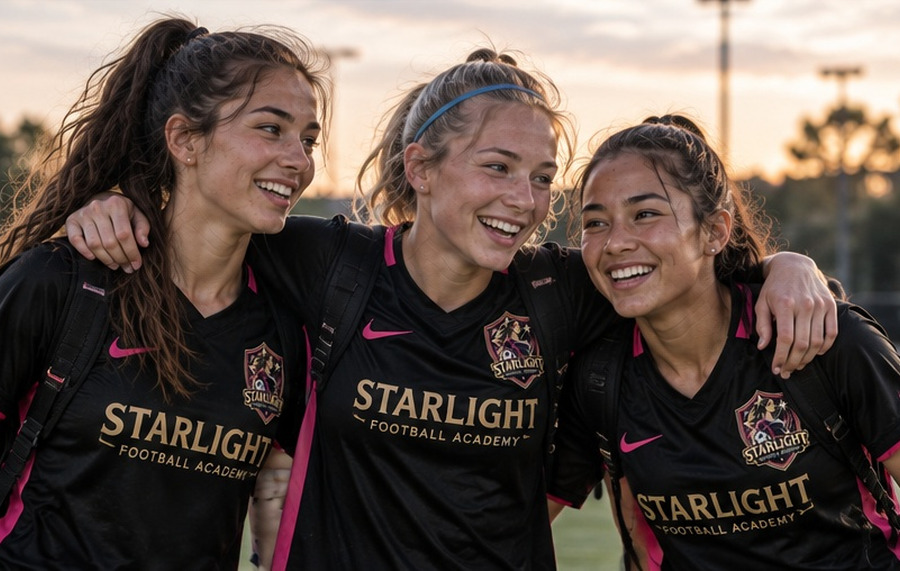
Bring the session together with a short review. Choose one moment when an early look helped your touch, one supporting action that made a pass easier, and one situation you would approach differently. Keep the observations concrete. You might say that moving two steps wider made you visible, or that protecting the ball gave a teammate time to recover. These details provide a practical starting point for your next session. Recognize the efforts around you, including communication, patient support, and controlled defending. Competitive football asks players to respond when a move breaks down, so include the reset in your review too. Did you stay involved after losing possession? Did your next words help the team focus? A thoughtful answer can reveal progress that the score alone cannot show. For parents reading with a player, ask what she noticed before offering your own view. Her explanation can help you understand the decision from the field. Keep enjoyment in the conversation alongside ambition. The purpose of learning is to give a player more ways to participate with confidence, solve football problems, and contribute to a team she is proud to support. Choose one habit, return to practice with intent, and let the next attempt build on what you have learned. Keep the review connected to the next opportunity to play. A player who leaves with ten corrections may struggle to decide where to begin. A player who leaves with one understood focus can notice it during the next exercise. You might choose to offer a wider angle after passing or to check the nearest pressure before receiving. Explain how you will recognize the habit, and ask for feedback on that point. When you return to practice, remember that different teammates and conditions may change the challenge. Progress does not have to look identical each time. Bring a willingness to adapt, take the session seriously, and enjoy the chance to solve another football problem. The game offers plenty of demanding moments. A clear focus and supportive team give those moments a constructive direction and help turn everyday effort into a continuing learning process. A positive review can finish with a shared example. Ask the group to remember a passage when several players contributed to keeping the ball. One may have received with control, another offered a return pass, and a third moved into the next space. Reconstructing the sequence helps everyone see how the actions connected. It can also reveal a contribution that felt invisible at the time. Then choose a moment that was more difficult and apply the same curiosity. What information was missing? Which option could have been made clearer? Keep the tone consistent between success and difficulty so the review feels like learning rather than judgment. Players should be able to speak honestly about uncertainty. Confidence does not require pretending that every decision was obvious. It can come from knowing that you have a way to understand the problem and work on it. Leave the conversation with a practical focus, a recognition of shared effort, and an appetite to play again. That combination gives competitive ambition a constructive place in the next session and helps the team enjoy the work behind its progress.

6 Example Comments
Example Discussion: First Touch Reply
Example discussion prompt: Think of a pass arriving while a defender approaches from one side. Which piece of information would help you choose your first touch? Describe where you would look and what you would want the ball to help you do next. There may be more than one sensible answer, depending on the support available.
Example Discussion: Support Play Reply
Example discussion prompt: After passing to a teammate under pressure, where could you move to help her? Explain how your position would change the passing angle. Consider whether moving closer would offer support or bring another opponent into the same space.
Example Discussion: Communication Reply
Example discussion prompt: Imagine two teammates saw the same play differently. One expected a forward pass; the other chose to retain possession. What question could help them compare their views without blame? Keep the conversation focused on the information available and the options they can recognize together next time.
Example Discussion: Team Shape Reply
Example discussion prompt: When one defender steps toward the ball, what might the players around her need to notice? Think about cover, nearby opponents, and the space behind the challenge. Use the team’s agreed instructions to guide the discussion rather than assuming every situation needs the same response.
Example Discussion: Fair Play Reply
Example discussion prompt: A disputed decision interrupts a close practice game. How can you return your attention to the next play while respecting the official and the other team? Consider a calm response, a clear restart, and a useful word to a teammate. Competitive effort remains valuable when it follows the rules.
Example Discussion: Reflection Reply
Example discussion prompt: Choose a useful action that might be overlooked when everyone remembers only the goal. It could be a recovery run, an early call, or a pass that created time for someone else. Explain why the contribution mattered and how you could recognize it in the next session.