Training Topics

A woman holding a soccer ball beside a field

From First Touch to Team Play: A Player Development Guide

Academy Notes
/
Training

A confident player connects her first touch to the team around her. Before receiving, notice the nearest pressure and decide where the ball could go next. A touch into space may help you turn; keeping the ball close may give a supporting teammate time to arrive. These choices depend on the moment, so practice observing as well as controlling. The player development guide explores that connection from receiving through to the final third. It includes illustrative situations to help you think about movement, passing, and composure. Use the training room to explore the individual skills behind those decisions, then bring one clear question to your next football session. Begin with a moment you can picture clearly. Where was the nearest opponent, and which teammate could you see? That small description gives the guide a practical starting point and helps you connect the explanation to your own decisions on the field.


Read the Player Development Guide

A woman playing the ball near the goal during a soccer game

Finishing with Composure and Purpose

Training Notes
/
Match Preparation

A chance near goal can feel fast, especially when a defender is recovering. Composure begins before the shot. Notice the angle, judge where the ball is traveling, and prepare your feet so you can make a deliberate choice. Sometimes the best option is a finish; sometimes a teammate has a clearer opportunity. Practice recognizing the difference within the exercise you have been given. Afterward, look at how the chance developed rather than judging only where the ball ended up. A supporting run, a patient pass, or an earlier look may have created the opening. The training room explores finishing as part of a connected team attack, with ambition guided by clear decisions. When reviewing an attempt, separate the choice from the execution. You may have selected a sensible option but made uncertain contact with the ball. Understanding that difference helps you choose a useful practice focus and recognize the parts of the attack that already worked.


Explore Finishing Practice
Women gathered on a team bench beside a tactics board

Make the Team Talk Count

Team Notes
/
Team Spirit

Team conversations can turn a confusing passage of play into something useful. Imagine a short break between exercises. One player explains that she could not see the passing lane; another describes the run she was trying to make. Comparing those views can reveal a simple adjustment for the next attempt. Keep the discussion focused on actions and options. Ask a question, listen to the answer, and agree on a cue that players can remember at match pace. A calm conversation does not reduce competitive energy. It helps direct that energy toward a shared problem. Explore the academy’s training principles for practical ways to connect communication, preparation, and effort on the field. Make space for a player who needs a moment to explain. A clear question and patient listening often reveal more than several people speaking at once. Agree on one practical adjustment before restarting so the discussion leads back into purposeful football.


Explore Team Communication
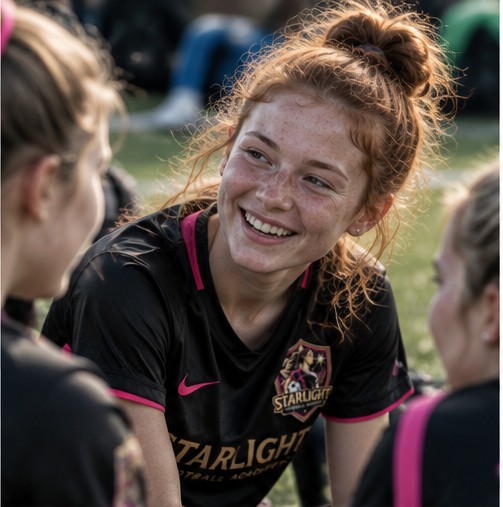
Three women in matching soccer jerseys smiling together

The Confidence to Support One Another

Team Notes
/
Team Spirit

Supporting one another includes the moments between the demanding passages of play. A teammate may need encouragement after an error or recognition for a recovery run that prevented a chance. Keep your words specific and sincere. Tell her which action helped and what the team can do next. Shared confidence grows when players feel able to keep contributing after a difficult moment. It also grows when credit is shared after a good move. A team picture can capture the enjoyment of being together, while the daily habits give that connection meaning. Read the team topics for ideas about listening, recognizing effort, and keeping the joy of women’s soccer alongside the ambition to improve. Positive support is most useful when it connects to something real. Mention the movement you saw or the decision that helped. Players can then recognize the contribution themselves and carry the same awareness into the next phase of play.


Explore Team Spirit
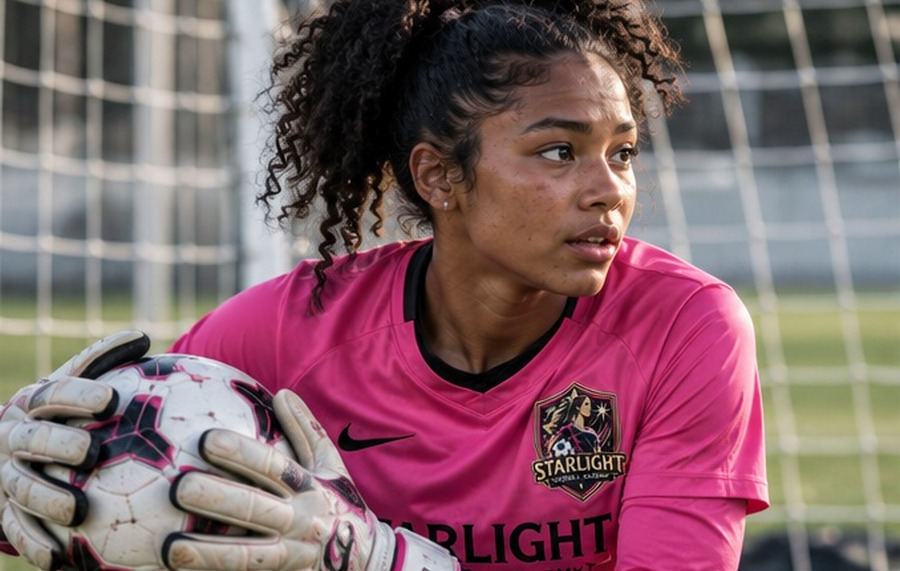
A goalkeeper in a pink jersey holding a soccer ball

A Goalkeeper’s View of Teamwork

Match Notes
/
Training

A goalkeeper sees the game from a position that makes communication especially important. She can notice a runner behind the defensive line, organize players before a restart, and help the team begin again after gaining possession. Clear information should be early, specific, and useful to the player receiving it. Field players contribute by listening and providing sensible options when the goalkeeper has the ball. Think about the whole team’s responsibility for protecting space rather than treating every goal attempt as an isolated contest. The training room explores connected defending and support play. Use those ideas to understand how different positions contribute to the same football task. Consider the receiving options when the goalkeeper gains possession. A teammate who becomes visible at a sensible angle may help the team start again with control. That movement connects the goalkeeper’s decision to the same support principles used elsewhere on the field.


Explore Goalkeeper Teamwork